 ™
Contact Us
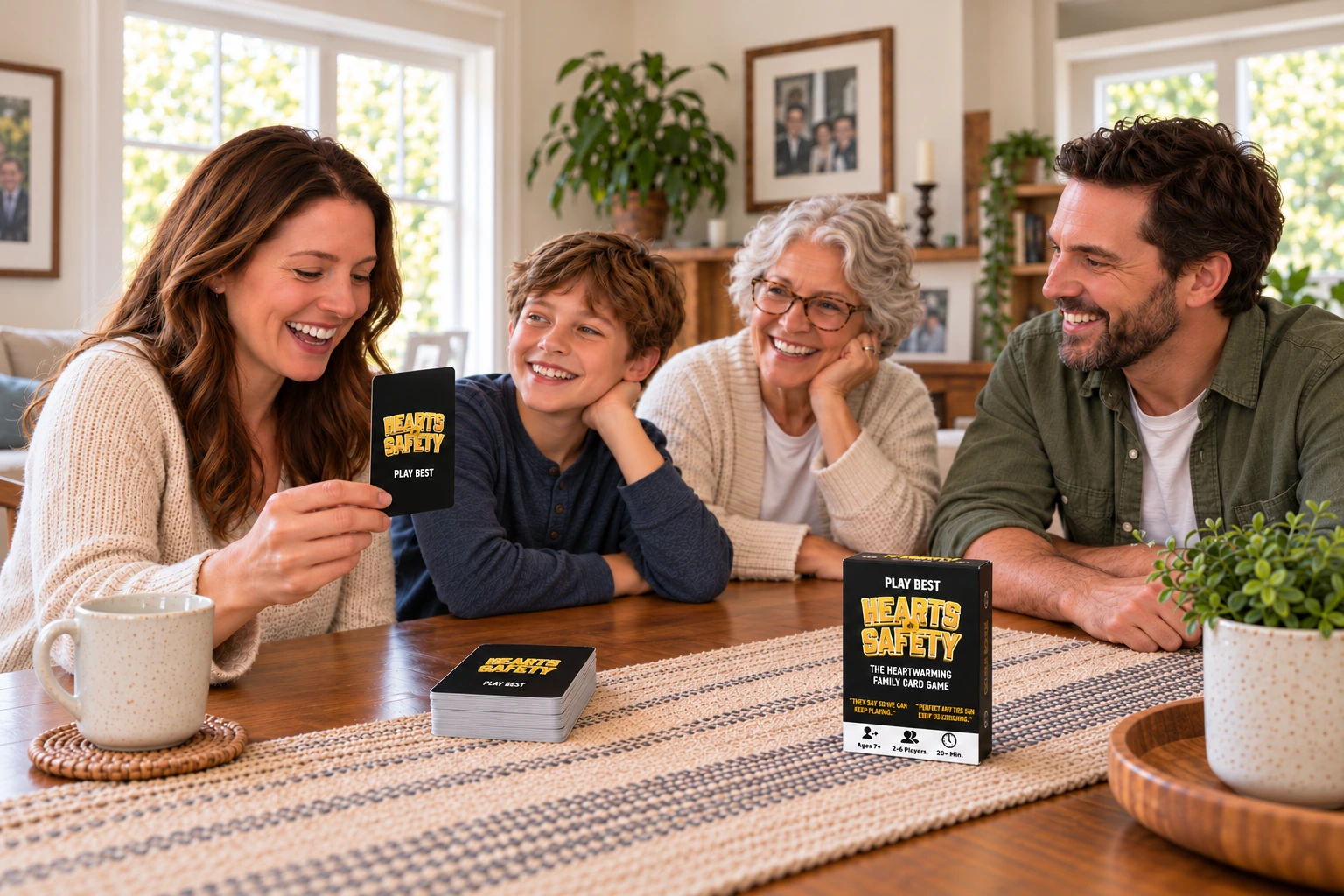
How peer discussion can improve understanding
In a 2009 undergraduate genetics study, Smith and colleagues asked students to answer a concept question, discuss it with peers and then answer a similar question individually. Students answered the fresh question more accurately after discussion, including in groups where nobody initially had the correct answer to the first question. The use of a new individual question helped distinguish learning from simply copying a neighbour’s response. This was classroom research, not a workplace-safety trial. (Smith et al., 2009)
For a safety-game facilitator, that suggests a useful question to explore: can participants explain an idea after the group discussion, when the original answer is no longer in front of them?
Follow discussion with a clear explanation
A follow-up study in 2011 compared peer discussion, instructor explanation and a combination of both in university genetics courses. The combined approach produced stronger average performance than either method alone. Results differed somewhat by course and student group, but the overall finding supported using discussion followed by an explanation. (Smith et al., 2011)
A workplace application would be to let people consider an answer before the facilitator explains the relevant point. Where the discussion involves a company procedure, have an appropriate reference ready. Leave unresolved questions with a named person who can check them.
Try a round that makes thinking visible.
The following is a suggested discussion format to use around an appropriate question card. It is an optional activity, separate from the rules of a complete game.
- Think first. Give everyone a moment to consider the question without a group answer being announced.
- Explain a choice. Invite people to say what information they used and what they are still unsure about.
- Compare the reasoning. Ask the table to identify where answers agree and where they differ.
- Check the answer. Review the card’s explanation and any workplace reference needed for the local context.
- Try a fresh example. Ask each person to explain how the same idea might apply in a different, appropriate situation.
You can make the first response private or invite pairs to discuss it. Choose a format that gives quieter participants time to think before a confident speaker sets the direction.
Personal prompts have a different purpose.
Some games invite a correct answer; others invite a personal one. That changes the facilitator’s role. A trivia answer can be checked against its source. A person’s story should be heard on its own terms.
Hearts of Safety uses personal sentence prompts and a memory challenge. A group might discover which people or everyday moments matter to a teammate. That is a different goal from testing technical safety knowledge. Give people the choice to pass a personal prompt or listen.
Keep in Mind offers mental-health question-and-answer cards. When planning a session, distinguish discussing the topic on a card from inviting personal disclosure. A facilitator can welcome questions while leaving each participant in control of what they share.
Listen for what needs another look.
During a game, note recurring questions, unclear terms and differences in how people describe the same task. These observations can help you plan a later briefing or ask for clarification from the right colleague. They are useful session notes, not a diagnosis of a person’s competence.
End with a short debrief. Ask what became clearer, what still needs checking and who will take the next step. When the objective is learning, return to the idea later with a fresh question. That gives the conversation somewhere useful to go after the cards are put away.
Research & sources
Links lead to the original papers or their indexed abstracts. The studies used their own activities and interventions; they did not evaluate PlayBest products.
- Smith et al. (2009). Why peer discussion improves student performance on in-class concept questions. Science.Undergraduate genetics concept-question study
- Smith et al. (2011). Combining peer discussion with instructor explanation increases student learning. CBE—Life Sciences Education.Comparison of discussion, explanation and their combination

