™
Contact Us
Match the game to the moment.
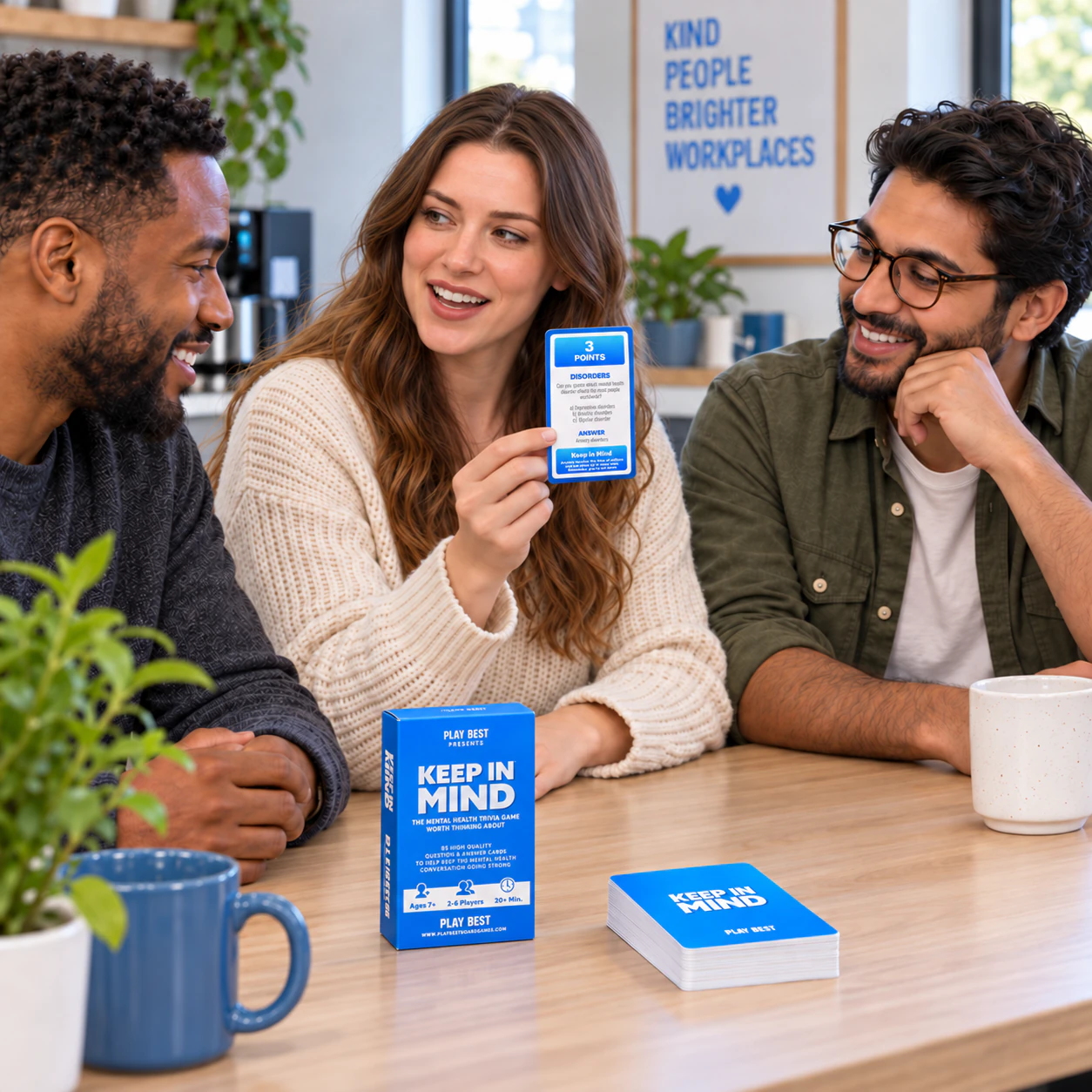
If the aim is a shared discussion about mental-health topics, Keep in Mind offers 85 question-and-answer cards. Players read, compare answers and talk through the topic. The product page shows both the regular edition and a deck branded for HELP.VC.
If you want colleagues to learn something personal about one another, Hearts of Safety uses sentence prompts about everyday people, places and moments. It suits an invitation to share a story, with a memory challenge as part of the full game.
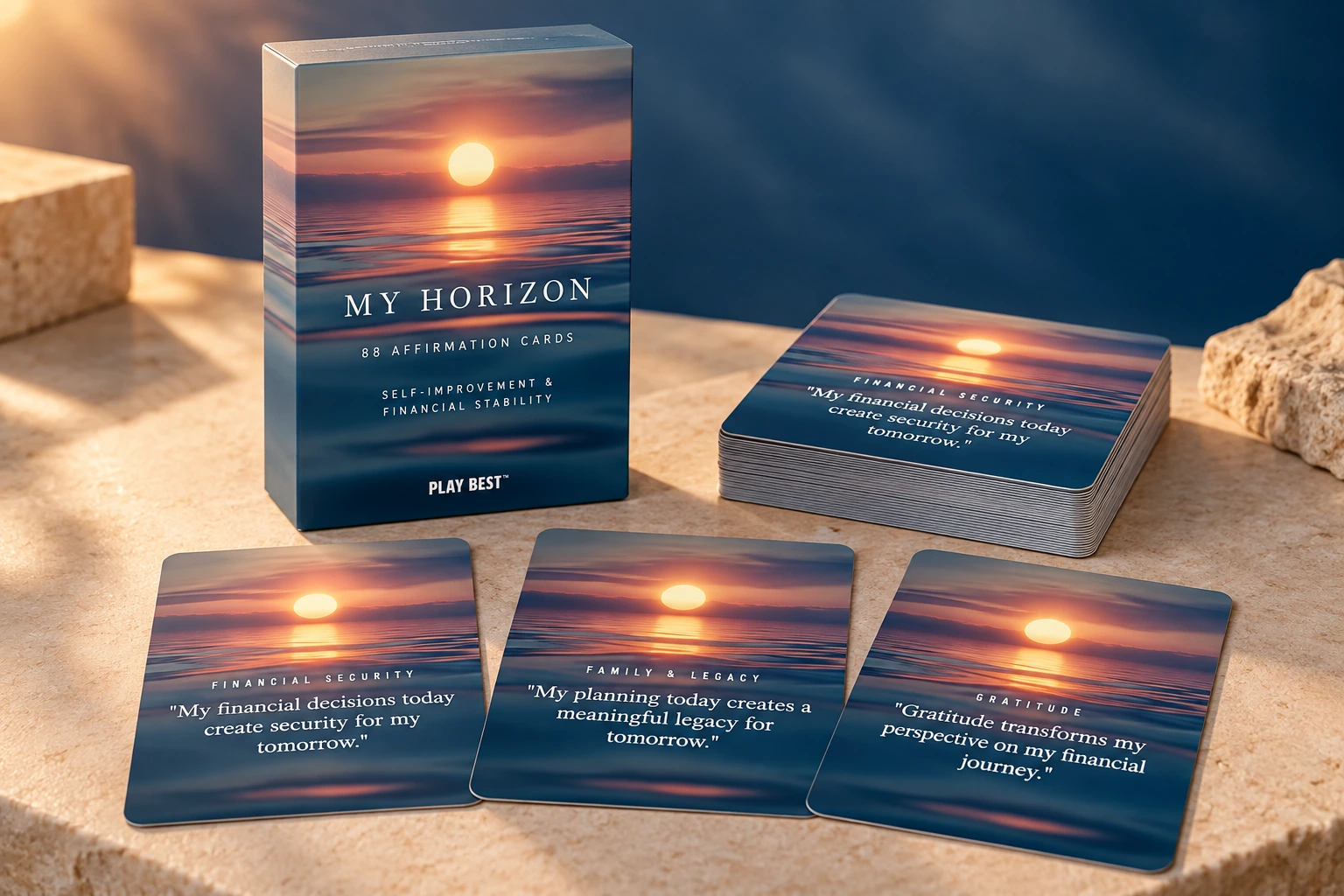
For time alone, My Horizon is a solo affirmation game. A person can choose one card, reflect privately and decide what to carry into their day. Its product page also includes a printable reflection guide.
Choose a format people can join.
A hosted table works well when you have a dedicated time slot and a facilitator. Keep the group within the game’s recommended player range. Explain how the game works, read the opening card aloud and allow enough time for everyone who wants to speak.
For a drop-in event, show the game and explain the activity before someone joins. A short conversation around one prompt is a different experience from playing the full game. Make that distinction clear so people know what they are committing to.
A take-home deck gives someone the option to play later, with family or in their own time. For a private reflection activity, provide a quieter space and make any written notes the participant’s to keep.
Make sharing a choice.
Invite participation without asking people to disclose personal experiences. Tell the group that passing a card or simply listening is welcome. The facilitator can model a short, everyday answer rather than setting an expectation for a deeply personal story.
Keep public event photos separate from personal answers. If you want to gather feedback on the activity, ask about the format and experience: whether the instructions were clear, the group size felt right and the time was useful. You do not need to collect what people said about their own lives.
When planning a wellbeing conversation, make your organisation’s existing support information easy to find. These games provide topics and activities; they do not assess participants or provide individual care.
Let personal reflection stay personal.
Some games suit a specific context rather than a general event. Where I Belong explores work, memories, strengths and returning after a workplace injury. It can be used alone, as a conversation or as a guessing game with family.
For a workplace gift programme, explain what the game is about and let the recipient decide whether and how to use it. A private reflection deck should not become an obligation to report personal answers back to an employer.
Write a simple event brief.
Before choosing quantities, note the audience, number of tables, available time and whether people will take a deck home. Decide who will introduce the activity and where a quieter option can sit alongside the shared tables.
For a branded event, explore corporate gifts and game branding. Include the event date, approximate quantity, delivery location and preferred game in your enquiry. Tell us about your wellness event to discuss the options.